
Booking systems
Custom online booking systems for services and appointments. Availability, staff scheduling, payments, reminders and customer booking journeys.



Sometimes the website itself is straightforward, but what people need to do on it isn't. Customers may need an account. Staff may need to approve requests. Availability may depend on several people or resources. Information may need to move between a form, an internal system and an outside provider.
Business on a Budget works on custom web development for these kinds of requirements. We start with the workflow and the people using it before choosing the technology.
Every project is scoped around what it must actually do. The list above is a set of possibilities, not a claim that one generic system is right for everyone.
Before developing a feature from scratch, we look at whether an existing platform or supported tool can solve the problem. Custom code brings flexibility, but also responsibility for testing, security and maintenance. It should earn its place.
When custom development is justified, a useful specification describes users, permissions, workflows, validations, data, notifications, reporting and exception handling. It also explains what happens when an outside service goes down.
Consider a booking system. Before choosing colours or calendar layouts, we need to know who may book, whether several staff members share availability, how rescheduling works, whether a temporary slot hold is needed and how payment affects confirmation. Those rules determine the actual product.
Read about booking system development or client portals for more detail.
A business application needs a practical plan for hosting, access, backups, updates and support. We discuss those needs as part of scoping rather than assuming a custom tool can simply be forgotten after deployment.
The cost depends on the number of distinct workflows, roles, integrations and testing requirements. A limited custom feature may be manageable; a platform with multiple connected user areas is a different project. We recommend breaking larger ideas into clear phases so the essential part can be tested first.
Custom online booking systems for services and appointments. Availability, staff scheduling, payments, reminders and customer booking journeys.
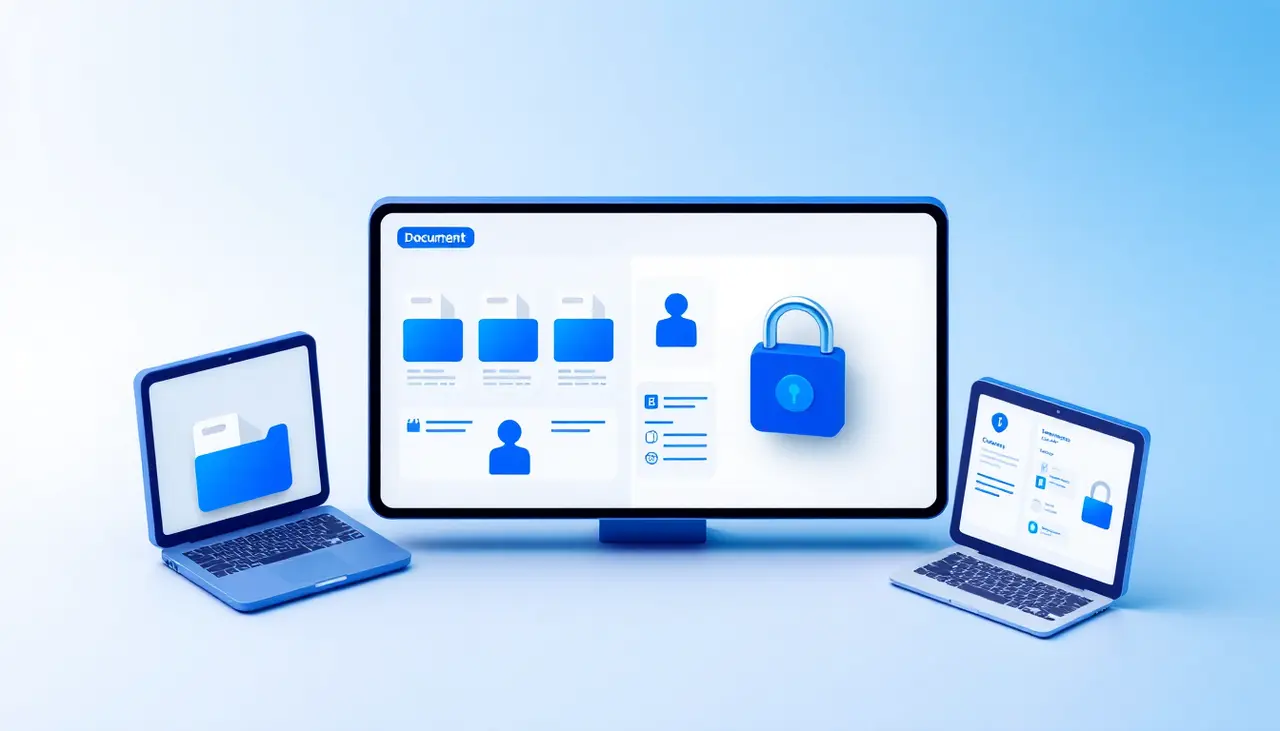
Custom client and staff portals with logins, documents, requests, status updates and role-based access. Web portals built for specific workflows.

Custom API integrations for websites, payments, bookings, product data and business software. Practical planning, testing and error handling.

A paragraph describing the current process and what should happen instead is a good starting point.