
Ecommerce websites
Ecommerce website development for South African businesses. Product catalogues, payments, shipping, stock, customer journeys and WooCommerce integrations.



The online store is often just one part of the business. Products may originate in a supplier system. Prices may be calculated in another application. Orders may need to reach accounting, fulfilment or an internal dashboard. When those systems do not agree, staff end up fixing the same information repeatedly.
We develop WooCommerce integrations to move the right information between systems with checks that make problems visible.
The answer depends on the external system and the access it provides. Common integration requirements include:
An API with stable authentication and clear documentation is ideal. CSV, XML or scheduled file feeds can also work, but need a different update strategy.
Product matching
We need a stable SKU, supplier reference or mapping table. Product names are poor unique identifiers because they can change.
Rules about which system wins
If someone edits a price in WooCommerce but the supplier feed runs an hour later, which value should remain? The source of truth should be decided before development.
Safe failure handling
A partial supplier response must not quietly remove half the catalogue. Missing items, empty fields and failed requests should trigger defined behaviour.
Rate limits and retries
External APIs may have usage limits or temporary outages. Retrying indefinitely can create duplicated orders or unreliable stock states.
Security
Credentials, personal information and webhooks need suitable handling. Permissions should be limited to the functions the connection actually requires.
There is no universal answer. Product descriptions might only need occasional updates; fast-moving stock may require more frequent checks. Real-time changes depend on the capabilities of the outside provider. The design should balance accuracy, hosting costs and the provider's permitted rate limits.
Read how WooCommerce supplier stock syncing works for a practical walkthrough.
We need to know which system supplies the data, whether documentation and test credentials exist, how many products are involved and what happens when records do not match. From there we can agree on the data fields, sync direction and tests before development starts.
If your need is wider than WooCommerce, see API integration services. If you have several suppliers and a catalogue-first business, see supplier catalogue integration.
Ecommerce website development for South African businesses. Product catalogues, payments, shipping, stock, customer journeys and WooCommerce integrations.

South African WooCommerce development for custom stores, checkout changes, product catalogues, wholesale functionality, performance and API connections.
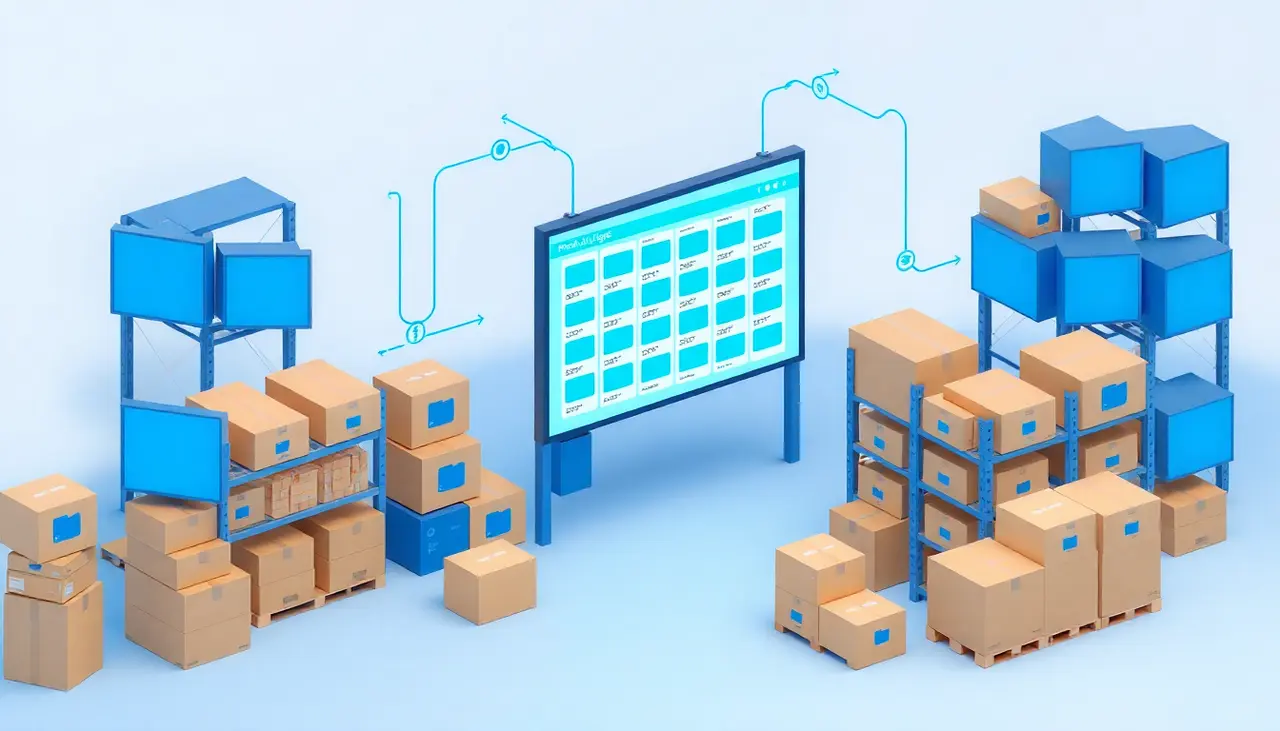
Bring supplier products, prices, stock and images into an online catalogue. Custom product feeds, mapping rules and controlled synchronisation.

Share the name of the external software, the relevant API documentation if available and a short description of which data should move.